
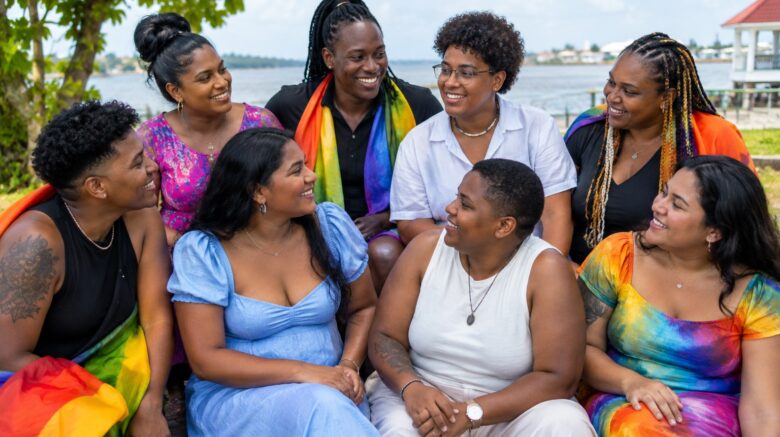
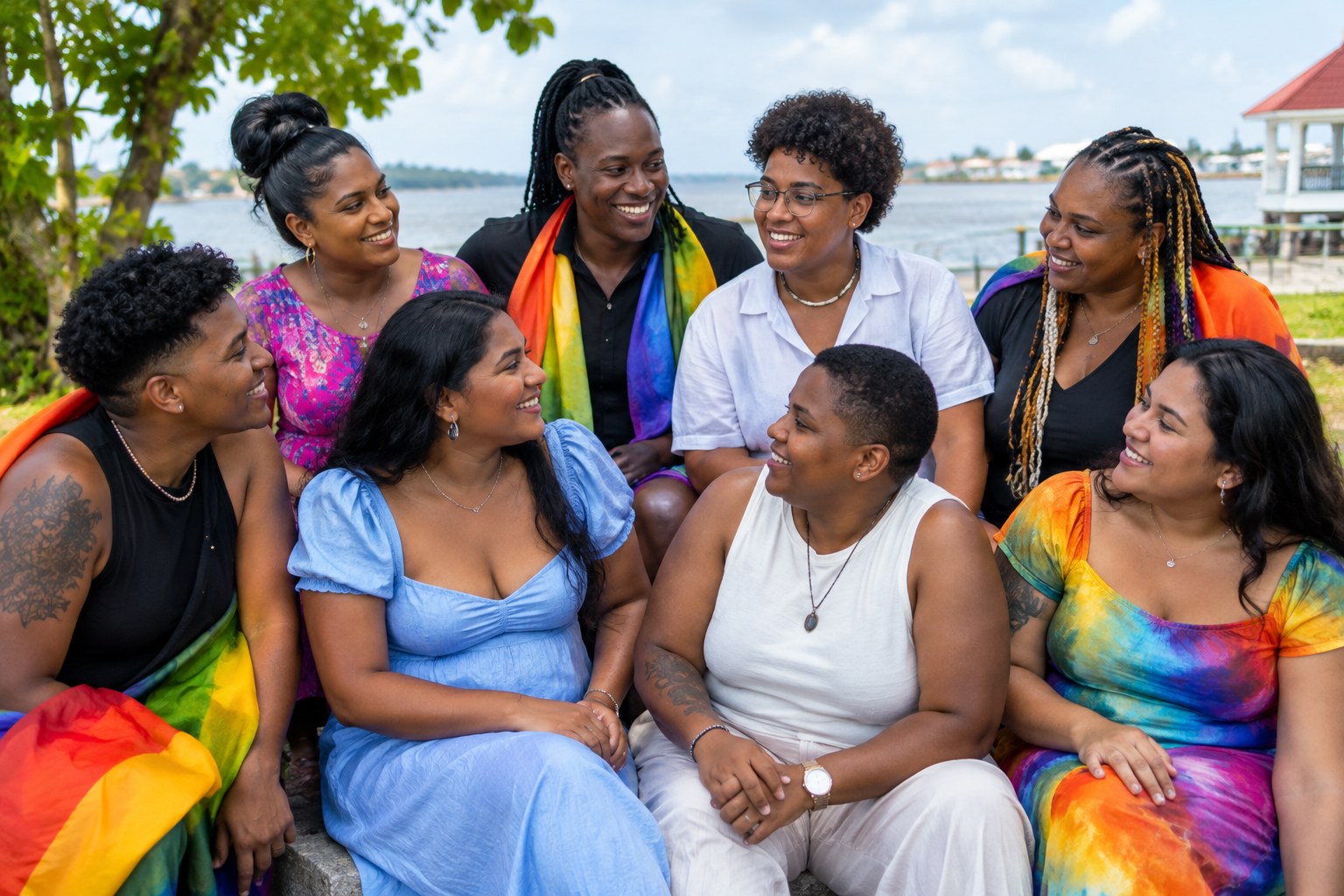
Every person deserves to be treated with dignity, regardless of who they love or how they identify. Yet conversations about LGBTQ+ identities are often surrounded by misunderstandings, stereotypes, and misinformation.
In Guyana and across the Caribbean, LGBTQ+ people can encounter environments where their identities are questioned or not openly discussed. Education helps us build communities where people are respected, valued, and included. At the Guyana Rainbow Foundation (GuyBow), we believe understanding begins with conversation and meaningful change starts with respect.
What does LGBTQ+ mean?
LGBTQ+ describes a diverse community of people with different sexual orientations, gender identities, and experiences. Some commonly used terms include:
- Lesbian: A woman who experiences romantic or sexual attraction to women.
- Gay: A person attracted to people of the same gender. The term is often used by men.
- Bisexual: A person who experiences attraction to more than one gender.
- Transgender: Someone whose gender identity differs from the sex they were assigned at birth.
- Queer: An umbrella term some people choose for identities outside traditional expectations of sexuality or gender.
- Questioning: Someone exploring their sexual orientation or gender identity.
The plus sign (+) recognizes additional identities and experiences, including asexual and pansexual identities. Intersex refers to variations in sex characteristics and is not, by itself, a sexual orientation or gender identity. Not everyone uses a label, and respecting how people describe themselves is important.
Sexual orientation and gender identity: what is the difference?
Sexual orientation describes who a person may be emotionally, romantically, or sexually attracted to. Gender identity is a person’s internal understanding of their gender, such as woman, man, nonbinary, or another identity.
These are different aspects of a person. For example, a transgender woman might be straight, lesbian, bisexual, or identify with another sexual orientation. We should not make assumptions about either based on someone’s appearance.
Four common misconceptions
Myth 1: LGBTQ+ identities are a modern trend
LGBTQ+ people have existed across cultures and throughout history. Greater visibility today does not mean these identities are new.
Myth 2: You can tell someone’s identity by the way they dress or act
Clothing, hairstyle, voice, and mannerisms do not reliably tell us a person’s sexual orientation or gender identity.
Myth 3: Respect requires everyone to agree on everything
Respect means recognizing another person’s dignity and rejecting harassment, violence, and discrimination. People can have different beliefs while treating one another humanely.
Myth 4: All LGBTQ+ people share the same experiences
Experiences differ based on family, culture, religion, age, finances, geography, and access to support. Listening is more useful than assuming.
Why respectful language matters
Words can communicate belonging or cause harm. Respectful language is not about perfection. It is about care, openness, and willingness to learn.
- Use the name and pronouns someone asks you to use.
- Avoid assumptions about relationships or identities.
- Do not ask intrusive questions about someone’s body or private life.
- Never disclose another person’s sexual orientation or gender identity without permission.
- If you make a mistake, correct it simply and move forward respectfully.
These small actions can make schools, workplaces, families, and social spaces feel more welcoming.
What does everyday allyship look like?
An ally does more than say they support LGBTQ+ people. Everyday allyship involves practical choices that make life safer and more inclusive.
Listen without judgment
Let people share their experiences without immediately challenging, dismissing, or trying to redefine them.
Challenge harmful stereotypes
When safe and appropriate, speak up against misinformation, bullying, and degrading jokes.
Respect privacy
Someone else’s identity is not information for us to share. Confidentiality matters, especially when disclosure could put someone at risk.
Make spaces more inclusive
In your workplace, home, school, or community group, encourage policies and everyday practices that treat people fairly.
Keep learning
Terminology and conversations evolve. Being willing to ask respectful questions, reflect, and learn is part of meaningful allyship.
Why this conversation matters in Guyana
Guyana is home to a rich mix of cultures, traditions, and experiences. LGBTQ+ Guyanese are part of that diversity. Yet stigma, social isolation, and discrimination can still make it difficult for some people to participate fully and safely in community life.
Building a more inclusive society takes effort from families, educators, employers, leaders, policymakers, and community organizations. Through advocacy, education, community engagement, and safe-space initiatives, GuyBow encourages the conversations that can move understanding forward.
Respect is where inclusion begins
You do not need to know every term to show respect. You can start by listening, avoiding assumptions, protecting privacy, and recognizing the humanity of others. A supportive friend, a thoughtful conversation, or a welcoming workplace can make a meaningful difference.
At Guyana Rainbow Foundation, we believe education opens doors, respect builds bridges, and inclusion strengthens communities.
What does respect and inclusion mean to you? We invite you to reflect, share your thoughts, and join the conversation.
Guyana Rainbow Foundation (GuyBow) | Advancing dignity, inclusion, empowerment, and community well-being.